
When Did “Tips Appreciated” Become Mandatory?
Long Gone Are the Days of Optional Tipping
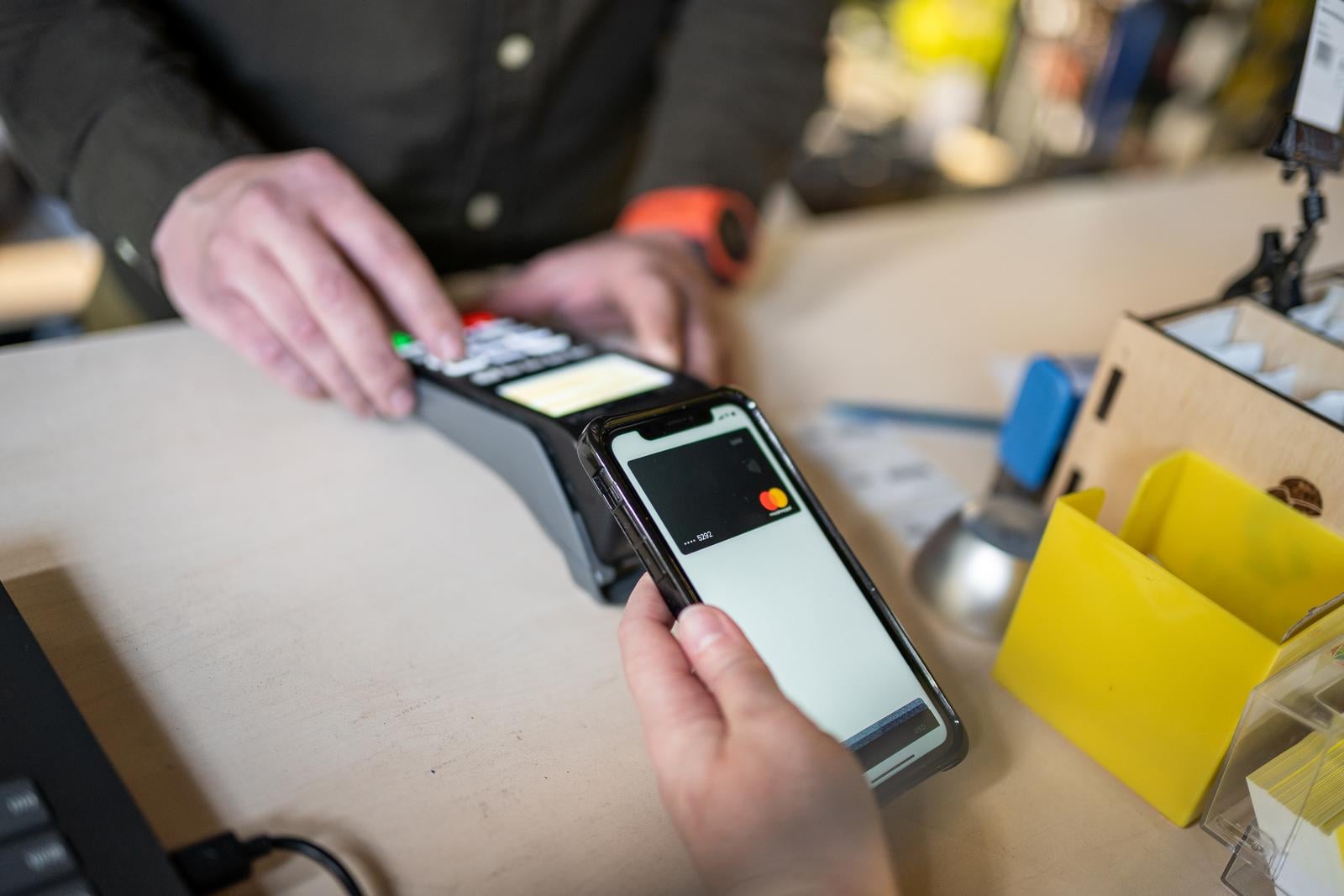
You order a coffee, tap your card, and before the transaction is complete, a screen asks whether you’d like to leave a 18%, 20%, or 25% tip. The employee is standing right in front of you, and suddenly a simple purchase feels like a moral decision.
Long gone are the days when tipping was simply a gesture of appreciation for exceptional service rather than something expected with almost every transaction.
Not every service deserves a tip. However, everyone who works in the service industry deserves a fair wage. Somewhere along the way, that responsibility seems to have shifted from employers to customers, who are now expected to pay more on top of rising menu prices and the effects of shrinkflation.
The question is: when did “tips appreciated” become “tips expected”?
Table of Contents
- Introduction: When Did Tipping Become Expected?
- The Original Purpose of Tipping
- How Tipping Changed After the Pandemic
- Mandatory Tipping for a Party of Two
- The Psychology Behind Tip Screens
- Wages, Rising Costs, and a Difficult Reality
- Tipping Fatigue Is Real
- Frequently Asked Questions About Tipping
- Why are businesses asking for tips everywhere now?
- What is tipping fatigue?
- Is automatic gratuity the same as a tip?
- Should customers be expected to tip for every service?
- Conclusion: Appreciation vs. Expectation
2. The Original Purpose of Tipping
Tips were once voluntary and primarily given to workers in the restaurant industry, bartenders, hotel housekeeping staff, and other service-based professions.
Before the pandemic, tipping between 10% and 18% was common, but it was generally based on the quality of service you received. Automatic gratuity was often reserved for larger parties of six or more, depending on the restaurant. Service charges were not the norm.
Fast forward to 2026, and it seems like everyone is asking for a tip regardless of the service provided or the quality of the product being sold. Coffee shops, fast-food restaurants, small businesses, and large chains often start their suggested tip options at 18% or higher.
At some point, I started wondering: isn’t customer loyalty appreciated anymore?
3. How Tipping Changed After the Pandemic
The pandemic changed many aspects of the service industry. Customers became more aware of the challenges workers faced, and many people tipped more generously to support businesses and employees during difficult times.
That generosity made sense.
The problem is that what started as support during an unusual period now feels permanent. Digital payment systems have made tipping requests more visible than ever, and customers are now being asked to tip in places where tipping was once uncommon.
For many consumers, it no longer feels like a reward for great service. It feels like an expectation before the service has even been provided.
4. Mandatory Tipping for a Party of Two
Recently, my partner and I visited a restaurant for the first time and were surprised to see an automatic 18% gratuity added to our bill.
To be fair, the restaurant disclosed the fee on its menu, and the place was packed. I assumed that was a good sign.
I ordered one of the dishes the restaurant is supposedly known for, but the food was disappointing. It lacked seasoning, some items tasted pre-heated, and even the beans seemed only slightly warmed up.
The service, however, was exceptional.
We paid the service charge without complaint, but will we return? No.
The reason isn’t the gratuity. It’s the food.
What made the experience frustrating wasn’t the automatic tip itself. If the meal had been memorable, I probably wouldn’t have thought twice about paying it. What stood out was being asked to pay a premium while receiving a product that felt average.
While great service matters, most people don’t go to restaurants solely for service. They go for the food. If the food doesn’t meet expectations, even excellent service may not be enough to bring customers back.
5. The Psychology Behind Tip Screens
Have you ever clicked “No Tip”?
If you have, what was your reasoning?
Many businesses have replaced traditional tip jars with payment screens that immediately present tipping options ranging from 18% to 25% or more.
In my opinion, these screens create a form of social pressure. The employee is often holding the payment terminal or standing directly in front of you while you make your decision. Whether the service was average or exceptional, that moment can feel uncomfortable.
Some customers have created their own standards for tipping based on the level of service they receive. Others criticize that approach, arguing that if you cannot leave 20% or more, you shouldn’t dine out at all.
Personally, I have my own standards.
I want to support good businesses and reward good service, but I also need to survive the remaining 29 days of the month.
6. Wages, Rising Costs, and a Difficult Reality
To be clear, this isn’t a criticism of service workers.
Many employees depend heavily on tips because wages in the industry often remain low and have not kept pace with the cost of living.
That reality puts both employees and customers in a difficult position.
Restaurant owners face rising costs, inflation, supply chain challenges, and shrinking profit margins. Employees want higher wages, and customers are paying more than ever before.
Lost in the middle of all of this is the one thing that brings people through the door in the first place: the food.
Many customers have noticed smaller portions, lower-quality ingredients, and menu photos that look far more impressive than what eventually arrives at the table.
7. Tipping Fatigue Is Real
Tipping fatigue is beginning to change customer behavior.
Many people are becoming more selective, choosing to tip only when they receive noticeably good service or genuine effort. Businesses that rely on guilt rather than value risk losing repeat customers because consumers notice when prices rise while the overall experience declines.
Inflation and economic pressure have made people more conscious about where their money goes. Customers are increasingly frustrated by tip requests appearing everywhere, from coffee shops to self-checkout kiosks.
Appreciation cannot survive when people feel pressured into giving extra for every transaction.
If businesses want the tipping culture to survive, they may need to rebuild trust through better service, greater transparency, and pricing that customers understand.
FAQs
9. Conclusion
Are we heading toward a future where fewer people tip?
I don’t think tipping is going away anytime soon.
What I do think is changing is how people approach it. Customers are becoming more aware of where their money is going and more intentional about when they choose to tip.
Most people are not against tipping. They are against feeling obligated to tip before they even know whether the experience was worth it.
The issue isn’t tipping itself.
The issue is feeling obligated to tip regardless of the experience.
Tipping works best when it feels like appreciation, not expectation.
And when appreciation becomes expectation, people start asking questions. Judging by the conversations happening everywhere, more customers are asking those questions than ever before.
What do you think?
Have you experienced tipping fatigue, or do you think tipping culture is being unfairly criticized? I’d love to hear your perspective in the comments.