
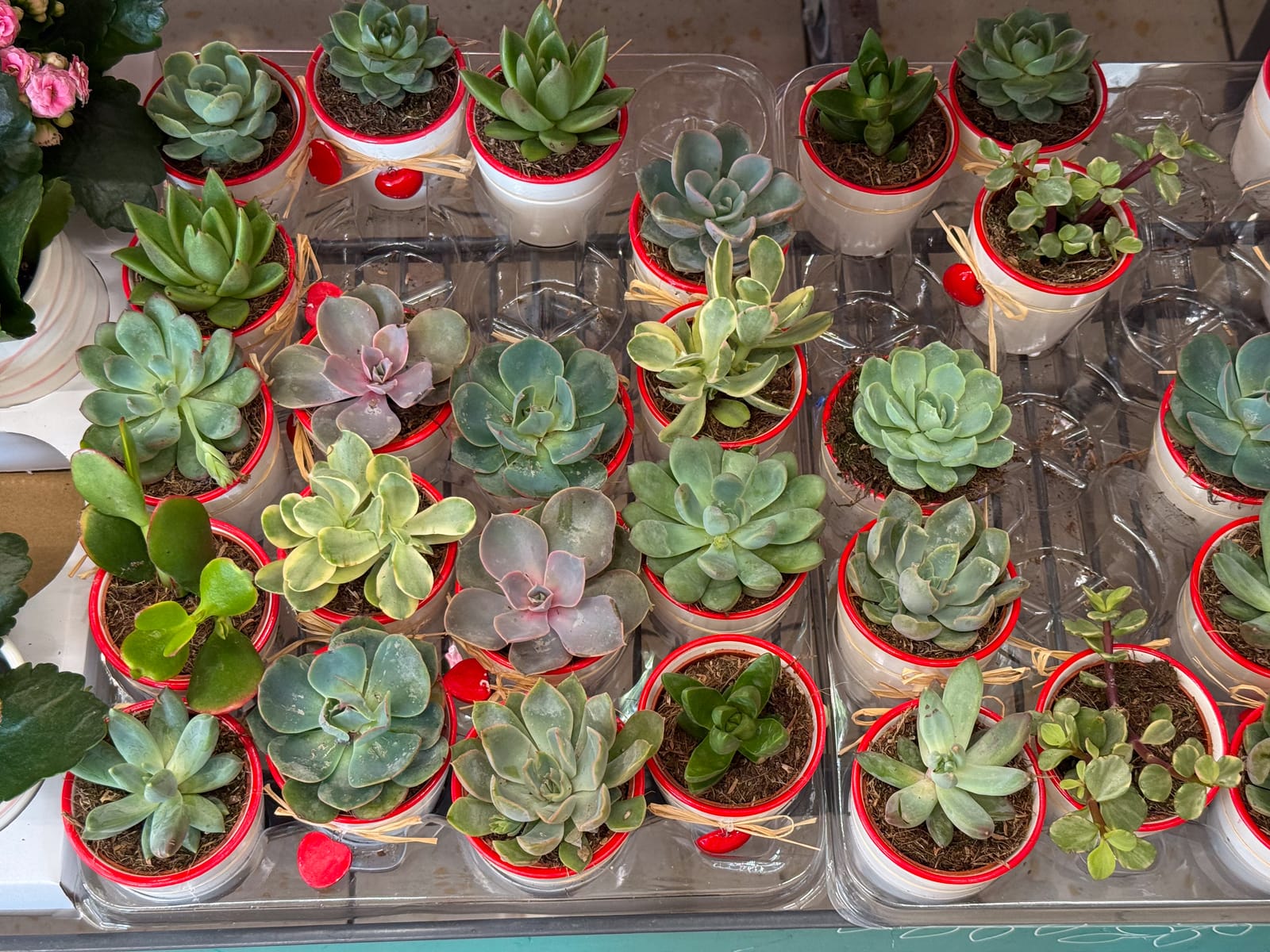
A Comprehensive Guide: 10 Considerations for Growing Plants Indoors to Ensure Success
Discover the essential considerations for cultivating thriving indoor plants with this comprehensive guide. From lighting and soil to humidity and pest management, learn practical strategies to optimize your indoor gardening efforts and ensure lush, healthy growth. Whether you’re a novice or an experienced gardener, these expert insights will help you create a flourishing indoor oasis.
Introduction to Indoor Plant Cultivation
In today’s modern living spaces, indoor gardening has become an increasingly popular way to bring nature inside, enhance aesthetics, and improve overall well-being. Growing healthy indoor plants not only adds beauty and freshness to your home but also offers numerous benefits, such as improved air quality, stress reduction, and a sense of accomplishment. However, successfully cultivating thriving indoor plants requires understanding and implementing key practices.
This comprehensive guide explores the 10 considerations for growing plants indoors to ensure your success. Whether you’re just starting or looking to refine your houseplant care routine, these insights will help you create a lush, healthy indoor oasis.
Table of Content
- Selecting the Right Plants for Indoor Growth
- Optimizing Lighting Conditions
- Soil Composition and Potting Medium
- Proper Watering Techniques
- Humidity Control and Air Circulation
- Temperature Management
- Fertilization and Nutrient Supply
- Pest and Disease Prevention
- Repotting and Plant Maintenance
- Creating an Indoor Gardening Routine
- Conclusion
- Key Takeaways
1. Selecting the Right Plants for Indoor Growth
Choosing Plants Suited for Indoor Environments
Not all plants thrive indoors; selecting species adapted to low light, limited space, and indoor conditions is crucial. Opt for plants that are resilient and require minimal maintenance, especially if you’re a beginner.
Factors Influencing Plant Selection
Choosing plants that match your growing conditions is essential for success. If you have limited space or windows that receive direct sunlight for only a few hours a day and mostly indirect light the rest of the time, it’s best to choose plants that benefit from low-light environments. Not all plants thrive indoors, so selecting species that are well adapted to indoor conditions is important.
For beginners, especially, it’s helpful to choose plants that are resilient and require minimal maintenance. Some great options for low-light indoor spaces include:
Popular Beginner-Friendly Indoor Plants
- Snake Plant (Sansevieria)
- Pothos (Epipremnum aureum)
- Peace Lily (Spathiphyllum)
- ZZ Plant (Zamioculcas zamiifolia)
- Spider Plant (Chlorophytum comosum)
2. Optimizing Lighting Conditions
Understanding Natural Light
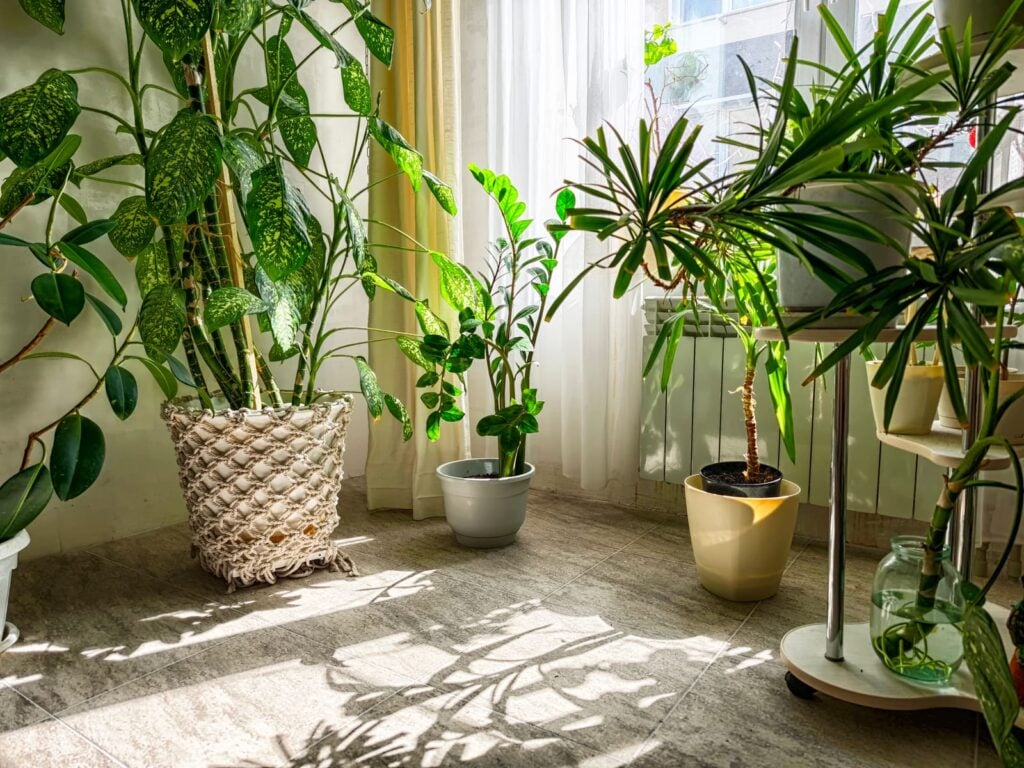
Assessing the amount of sunlight your space receives throughout the day is an important step in caring for indoor plants. Light levels can vary depending on the direction your windows face and the time of day. Observing how sunlight moves through your home can help you identify brighter and darker areas. South-facing windows typically provide the strongest and most consistent light during the day. East-facing windows offer gentle morning sunlight that many plants enjoy. West-facing windows receive stronger afternoon sunlight, which can be beneficial for some plants. North-facing windows usually provide the least amount of direct sunlight.
Because plants have different light requirements, it is important to match them with the right conditions. Placing plants in appropriate locations helps them receive the light they need to grow. Proper positioning of plants can support healthier growth and improve their overall condition indoors.
3. Soil Composition and Potting Medium
Choosing the Right Soil
Choose a well-draining, nutrient-rich soil to ensure proper drainage and support healthy root development. Avoid using garden soil, as it tends to be too dense for indoor plants and may lead to waterlogging.
Potting Mixes and Amendments
Enhance your soil’s quality by incorporating organic matter such as compost or peat moss. To ensure a steady supply of essential nutrients, apply slow-release fertilizers or liquid feeds regularly.
4. Proper Watering Techniques
Watering Frequency and Volume
Overwatering is a common mistake; signs include yellowing leaves and soggy soil. Underwatering leads to wilting. Establish a watering schedule based on your plant’s needs, typically when the top inch of soil feels dry.
Water Quality and Drainage
Use filtered or distilled water if possible to prevent mineral buildup. Ensure pots have drainage holes to avoid water accumulation, which can cause root rot.
5. Humidity Control and Air Circulation
Maintaining Optimal Humidity Levels
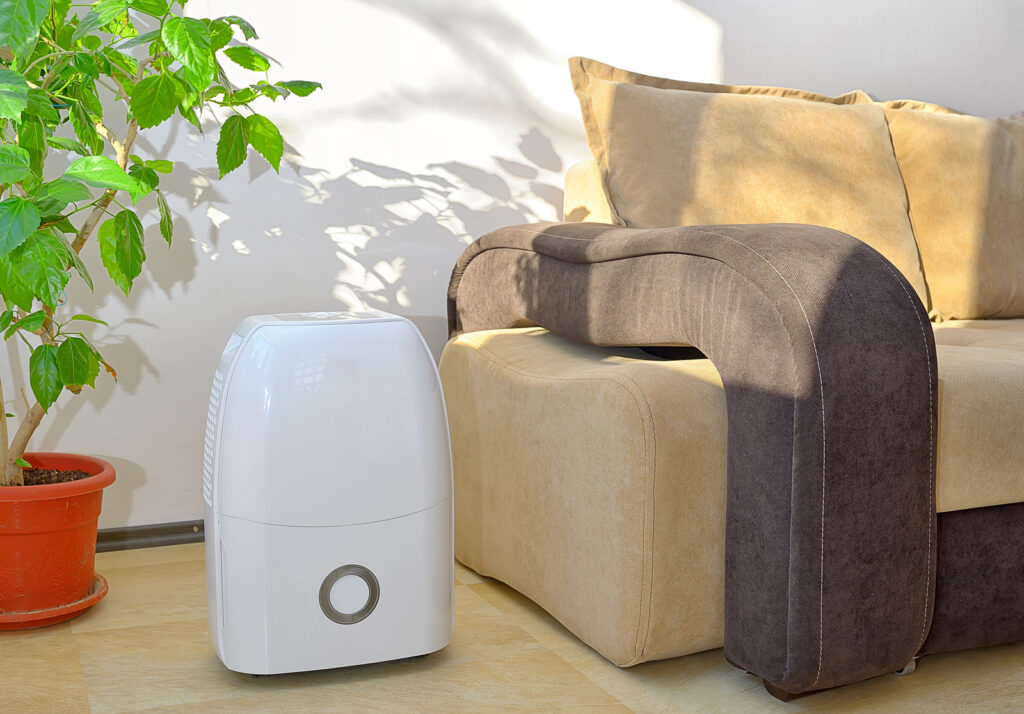
Many indoor plants prefer humidity levels between 40-60%. Use humidifiers or place pebble trays filled with water beneath plants to increase moisture.
Promoting Good Airflow
Arrange plants to prevent overcrowding, which can lead to mold and pests. Use fans or ventilation systems to enhance air circulation, reducing disease risk.
6. Temperature Management
Ideal Temperature Ranges
Most indoor plants thrive between 65-75°F (18-24°C). Avoid placing plants near drafts, heaters, or cold windows to prevent stress and damage.
Monitoring and Adjusting Indoor Climate
Use thermometers to monitor temperature fluctuations and adjust your environment accordingly to maintain consistent conditions.
7. Fertilization and Nutrient Supply
Choosing the Right Fertilizer
Select fertilizers suited for your plant type—liquid feeds for quick absorption, granular for slow release, or specialized formulas for flowering or foliage plants. Follow manufacturer instructions for application frequency and dosage.
Recognizing Nutrient Deficiencies
Yellowing leaves, stunted growth, or poor flowering can indicate deficiencies. Adjust your fertilization routine to address these issues promptly.
8. Pest and Disease Prevention
Common Indoor Plant Pests
Watch for pests like spider mites, aphids, and mealybugs. Use natural control methods such as neem oil or insecticidal soap, and isolate infested plants to prevent spread.
Disease Management Strategies
Identify signs of fungal or bacterial infections—such as mold, spots, or wilting—and treat with appropriate fungicides or bactericides. Maintain cleanliness and proper watering to prevent issues.
9. Repotting and Plant Maintenance
When and How to Repot
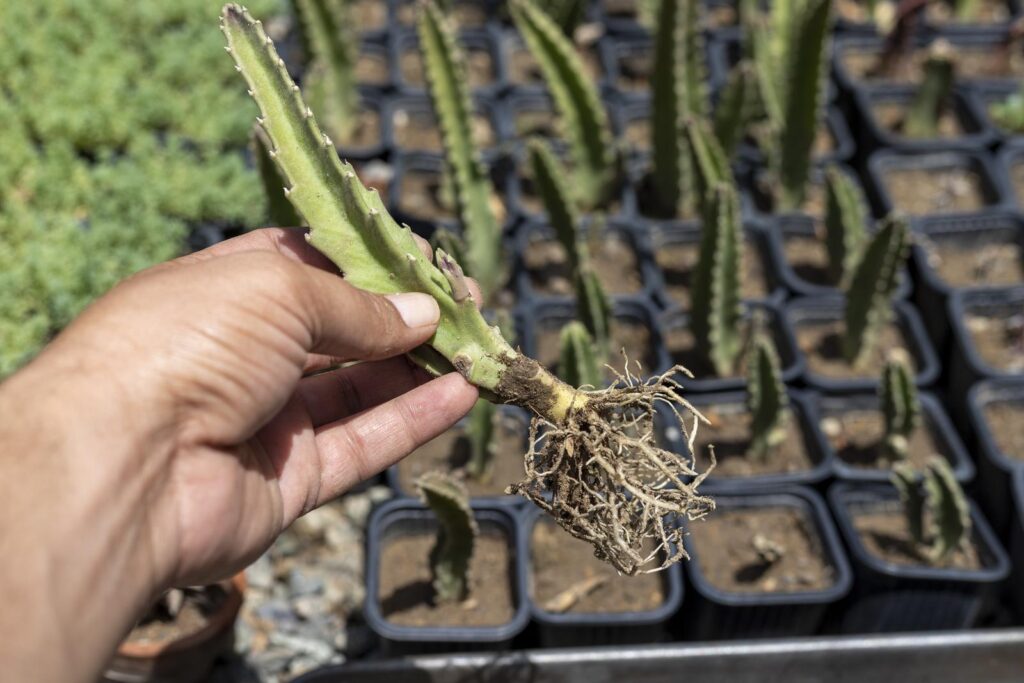
Repot when roots become crowded, or growth slows. Choose a slightly larger pot with drainage holes, and handle roots gently during repotting to minimize stress.
Regular Pruning and Cleaning
Remove dead or yellowing leaves to promote healthy growth and airflow. Regularly cleaning leaves with a damp cloth enhances photosynthesis and reduces pest infestations.
10. Creating an Indoor Gardening Routine
- Establish consistent watering, fertilizing, and cleaning schedules.
- Monitor plant health regularly for signs of stress or pests.
- Adjust care routines seasonally, as light and temperature conditions change.
Conclusion
Successfully growing plants indoors involves careful attention to multiple factors, from selecting suitable species to maintaining optimal environmental conditions. By considering these 10 considerations for growing plants indoors, you can create a thriving indoor garden that enhances your living space and brings joy year-round.
Remember, indoor gardening is a continuous learning process. Experiment, observe, and adapt your care routines to develop your skills and enjoy a lush, healthy indoor oasis.
Key Takeaways
- Choose plants suited for indoor environments, especially low-light-tolerant varieties.
- Ensure proper lighting, well-draining soil, and balanced watering.
- Maintain humidity, airflow, and stable temperatures for healthy growth.
- Use fertilizers and monitor for nutrient deficiencies.
- Prevent pests and diseases through regular inspection and care.
- Repot, prune, and maintain plants regularly to support long-term growth.
✅ Bottom line: Successful indoor gardening depends on consistent care, the right environment, and choosing suitable plants for your space.